Health

Everything You Wanted to Know About mega city’s

“Mega city” generally refers to a large metropolitan area characterized by significant population density, economic activity, and urbanization. Here’s a comprehensive overview covering various aspects of mega cities:

Definition:

A mega city is typically defined by having a population of over 10 million people. The concept emphasizes the enormous scale and complexity of these urban areas.

Characteristics:

Population Density:

Mega cities are densely populated, often with a mix of residential, commercial, and industrial areas.

Economic Powerhouses:

They serve as economic hubs, contributing significantly to regional and national economies.

Infrastructure:

Mega cities require extensive infrastructure to support their population, including transportation networks, utilities, and communication systems.

Cultural Diversity:

Due to their size and importance, mega cities are often melting pots of different cultures, languages, and traditions.

Urban Challenges:

Mega cities face unique challenges such as traffic congestion, pollution, inadequate housing, and strain on resources and services.

Examples of Mega Cities (as of my last knowledge update in January 2022):

Tokyo:

With a population exceeding 37 million, Tokyo is one of the largest and most advanced mega cities.

Delhi:

India’s capital has over 30 million people and faces challenges related to rapid urbanization.

Shanghai:

A global financial center, Shanghai has a population of over 27 million.

São Paulo:

The largest city in the Southern Hemisphere, São Paulo in Brazil is home to over 21 million people.

New York City:

The most populous city in the United States, New York City has over 18 million residents.

Urban Issues:

Traffic Congestion:

Mega cities often grapple with heavy traffic, leading to increased commute times and environmental concerns.

Housing Challenges:

High population density can result in housing shortages and increased living costs.

Environmental Impact:

The concentration of people and industries can contribute to pollution, deforestation, and other environmental issues.

Social Inequality:

Mega cities may experience disparities in income, education, and access to resources, leading to social challenges.

Future Trends:

Smart Cities:

Integration of technology for efficient urban management.

Sustainable Development:

Emphasis on eco-friendly practices to address environmental concerns.

Urban Planning:

Implementing effective city planning to manage growth and mitigate challenges.

Innovation Hubs:

Mega cities are becoming centers for technological and creative innovation.

Understanding mega cities involves exploring the multifaceted dynamics of these complex urban environments, where social, economic, and environmental factors intersect in unique ways. Keep in mind that the specifics may evolve, and it’s advisable to check more recent sources for the latest information on mega cities.

Metro city’s should make road with protection In mind

Designing and constructing roads with safety and protection in mind is a crucial aspect of urban planning. Roads are essential elements of any metropolitan area, and incorporating safety features can significantly enhance the well-being of both pedestrians and motorists. Here are several considerations for building roads with protection in mind:

Pedestrian Infrastructure:

Sidewalks:

Ensure well-maintained and spacious sidewalks separated from the road to provide a safe walking environment.

Crosswalks:

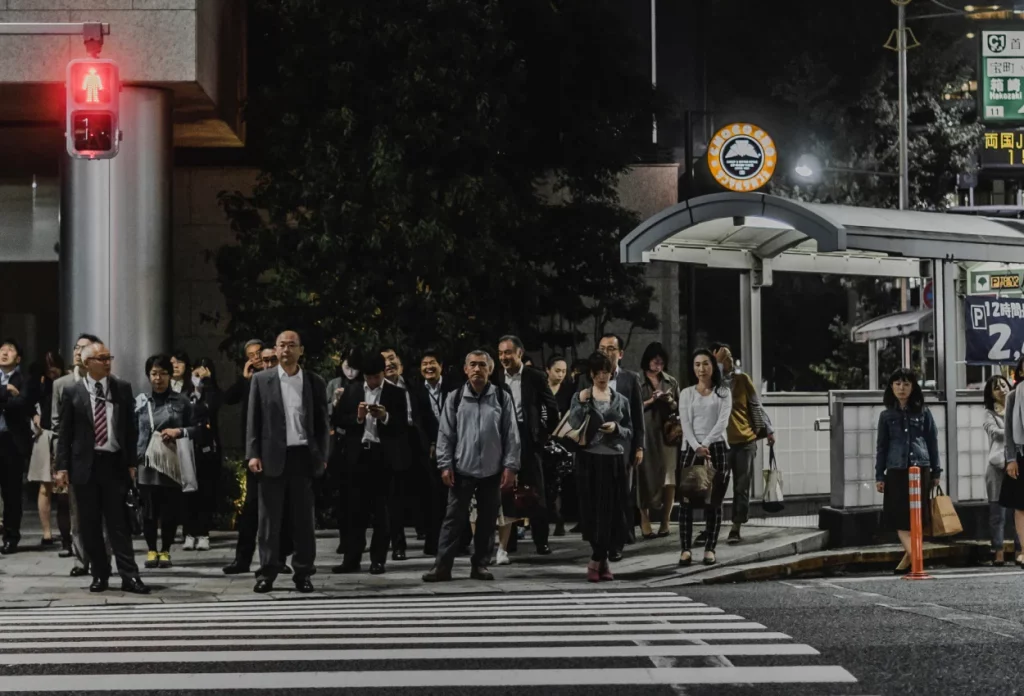
Implement marked crosswalks at intersections to guide pedestrians safely across the road.
Pedestrian Overpasses/Underpasses: Consider constructing overpasses or underpasses in areas with high pedestrian traffic to minimize the risk of accidents.

Cyclist-Friendly Design:

Bike Lanes: Incorporate dedicated bike lanes separated from vehicular traffic to promote cycling safety.
Bike Racks: Install bike racks at strategic locations to encourage cycling and provide secure places for parking.

Traffic Calming Measures:

Speed Bumps: Use speed bumps in residential areas and near schools to reduce vehicle speeds.
Roundabouts: Implement roundabouts instead of traditional intersections to slow down traffic and improve safety.

Accessible Infrastructure:

ADA Compliance:

Ensure that road infrastructure is compliant with the Americans with Disabilities Act (ADA) to accommodate individuals with disabilities.
Accessible Crossings: Install ramps and accessible crossings to facilitate the movement of people with mobility challenges.

Road Lighting:

Streetlights:

Adequate street lighting enhances visibility, reducing the risk of accidents and improving overall safety.
Pedestrian Crosswalk Lighting: Install additional lighting at crosswalks to increase visibility for both pedestrians and drivers.
Green Spaces and Landscaping:

Roadside Greenery:

Incorporate green spaces and landscaping along roads, providing aesthetic value while also promoting a sense of safety.

Tree Planting:

Plant trees strategically to provide shade and improve air quality.
Advanced Traffic Management Systems:

Traffic Signals:

Implement modern traffic signal systems to optimize traffic flow and enhance safety.

Smart Crosswalks:

Use technologies such as smart crosswalks that provide signals or warnings to both pedestrians and drivers.

Emergency Services Access:

Emergency Lanes:

Designate lanes or routes for emergency vehicles to ensure quick and unobstructed access during emergencies.

Public Awareness and Education:

Signage:

Install clear and visible signage to communicate speed limits, pedestrian crossings, and other important information.

Educational Campaigns:

Conduct public awareness campaigns to educate residents about road safety and proper usage of infrastructure.
By incorporating these elements into road design, metropolitan areas can create safer and more sustainable environments for their residents. Collaborative efforts between urban planners, engineers, and the community are essential to ensuring that road infrastructure prioritizes protection and safety.

Where to travel asia Kind Mid Spirit

If you’re looking for a travel destination in Asia with a kind and mid-spirit vibe, there are many places that could offer a welcoming and positive experience. Here are a few suggestions:

Bhutan:

Known for its Gross National Happiness Index, Bhutan is a country that values well-being over material wealth.
The people are friendly, and the stunning landscapes, including the Himalayan mountains, make it a serene destination.

Ubud, Bali, Indonesia:

Ubud is known for its spiritual and artistic community.
The lush landscapes, rice terraces, and a variety of temples create a peaceful atmosphere.
Engage in yoga and meditation practices or explore the vibrant arts scene.

Chiang Mai, Thailand:

Chiang Mai offers a blend of cultural richness and a laid-back atmosphere.
Explore historic temples, visit the local markets, and enjoy the beautiful surrounding nature.

Hoi An, Vietnam:

This ancient town is known for its well-preserved architecture and lantern-lit streets.
The locals are friendly, and the town has a calm and charming atmosphere.

Pokhara, Nepal:

Nestled in the Himalayas, Pokhara is surrounded by stunning lakes and mountains.
It’s a great place for trekking, relaxation, and connecting with the local culture.

Luang Prabang, Laos:

This UNESCO World Heritage city is known for its well-preserved architecture and Buddhist temples.
The slow pace of life and the welcoming locals make it a peaceful destination.

Sapporo, Japan:

Sapporo, located in Hokkaido, offers a mix of modernity and natural beauty.
Enjoy the local cuisine, visit parks, and experience the unique cultural aspects of Japan.

Galle, Sri Lanka:

Galle’s historic fort area and charming streets create a relaxed atmosphere.
Explore the local markets, enjoy the coastline, and experience the warmth of the people.

Malacca, Malaysia:

Malacca’s historic city center is a UNESCO World Heritage site with a mix of cultures.
The city is known for its friendly locals and delicious food.

Sihanoukville, Cambodia:

Sihanoukville offers beautiful beaches and a laid-back atmosphere.
Explore nearby islands, enjoy fresh seafood, and experience the local hospitality.
Before planning your trip, it’s always a good idea to check for any travel advisories or entry requirements, especially considering any potential changes in the global travel landscape. Additionally, respecting local customs and being open to new experiences will enhance your journey and contribute to a positive travel experience.